
Kitchen Logistics: The High-Yield Meal Prep Workflow
Stop treating weekly meal prep like a giant dinner party. It is a manufacturing process. Here is the standardized, high-capacity workflow to process high-protein nutrition for the entire week in under 90 minutes using industrial kitchen protocols.
THE ROUTINE
2 min read
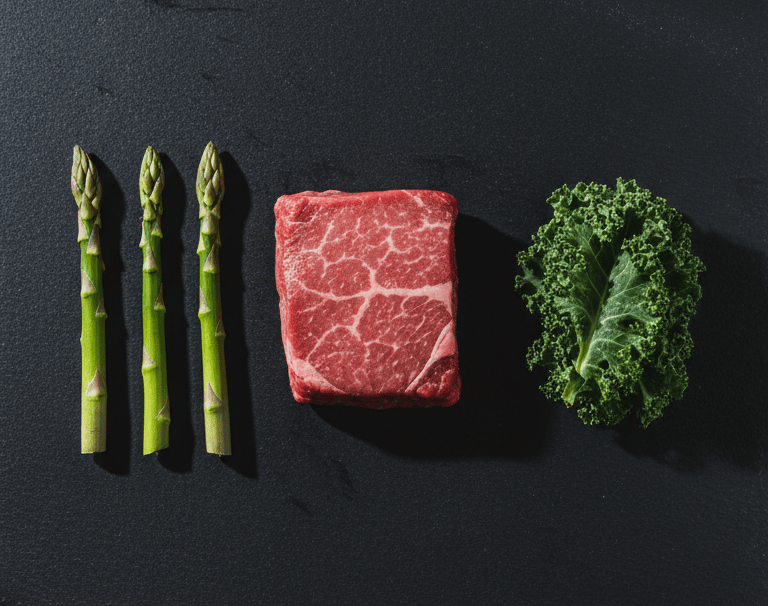
The failure point for household nutrition isn't the recipes; it's the logistics. Cooking high-protein meals nightly is highly inefficient, and standard "meal prep" often just creates a chaotic kitchen and rapid burnout. Optimizing throughput requires shifting from "home cooking" to "small-scale manufacturing"—especially when scaling yields to feed a household of six or more. This guide outlines the tactical workflow to process a massive volume of macronutrients in a single, compressed operational window, completely eliminating daily decision fatigue.
Phase 1: The Staging Protocol (Diagnostics & Prep)
You cannot execute a high-volume cook in a cluttered workspace. Efficiency begins with a complete reset of the operational theater.
Clear the Deck: Remove unused appliances from the counters. You need maximum square footage for the assembly line.
Hardware Deployment: Pre-stage every tool required: commercial baking sheets, high-capacity blenders, mixing bowls, and cutting boards.
Container Standardization: Standardized glass containers stack efficiently in the fridge and ensure uniform portion sizes during assembly. Discard mismatched plastic.
Phase 2: Parallel Processing (The Bulk Cook)
Do not cook complete meals sequentially. To maximize efficiency, you must process ingredients in batches based on their required thermal application or processing method.
Automated Processing: Utilize a high-powered kitchen system to rapidly bulk-process marinades, coarse-grind spices, and mix sauces before any heat is applied.
The Sheet Pan Protocol: Utilize commercial aluminum half-sheet pans. Load two pans with hardy base carbohydrates and vegetables, toss with oil, and roast simultaneously at high heat (425°F). This requires zero active kitchen time.
High-Heat Protein Searing: While the ovens are occupied, utilize a wide stovetop griddle for bulk protein processing. Cook in rapid batches to prevent steaming, transferring finished proteins to a holding tray to rest.
Phase 3: The Assembly Line (Yield & Storage)
Once cooking is complete, the kitchen shifts from a production zone to a packaging facility. Speed is essential here to maintain cold-chain integrity.
Macro Distribution: Lay out standardized glass containers on the counter. Distribute the base first, followed by the vegetables, and top with the sliced protein. Utilize a digital scale to ensure precise macro distribution across all units.
Thermal Lockdown: Allow the containers to steam off for exactly 10 minutes before sealing with locking lids. Immediate refrigeration is crucial to maximize shelf-life.
The Expert Gear List
To execute high-capacity kitchen logistics, our team utilizes professional-grade hardware designed for durability and volume on Amazon.
Disclosure: The Retrofit Routine is a participant in the Amazon Services LLC Associates Program. As an Amazon Associate, we earn from qualifying purchases at no additional cost to you.
Processing Hardware
Ninja Professional Plus Kitchen System with Auto-iQ: A high-capacity processing engine with an industrial-grade motor. Essential for rapidly blending bulk marinades, coarse-grinding spices, and batch-prepping sauces without stalling.
Nordic Ware Commercial Aluminum Half Sheets (2-Pack): Industrial-standard baking sheets that do not warp under high heat and provide immense surface area for bulk roasting.
Lodge Cast Iron Reversible Grill/Griddle: Expands stovetop surface area for high-volume protein searing, allowing maximum throughput without overcrowding the pan.
Mercer Culinary Genesis 8-Inch Chef's Knife: A durable, high-carbon steel tool essential for rapidly processing bulk vegetables and proteins without fatigue.
Yield & Storage Systems
GreaterGoods Digital Food Kitchen Scale: A minimalist, high-precision scale necessary for rapid, accurate macronutrient distribution during the final assembly line phase.
Bayco Glass Meal Prep Containers (3 Compartment): Heavy-duty borosilicate glass containers with locking lids. Unlike plastic, these do not stain, handle microwave reheating without degrading, and stack perfectly for efficient fridge organization.
Contact
Questions? Reach out anytime, we’re here.
© 2026. All rights reserved.
Disclosure
The Retrofit Routine is a participant in the Amazon Services LLC Associates Program. As an Amazon Associate, we earn from qualifying purchases at no additional cost to you.
The Retrofit Routine is a digital property owned and operated by Atlantic Delivery Drivers Corp.