
The Deflection Protocol: Structural Subfloor Stabilization
Do not install premium flooring over a compromised foundation. Learn the structural screw protocol to lock down loose plywood, eliminate deflection, and create a silent, monolithic base before laying modern planks.
THE RETROFIT
2 min read
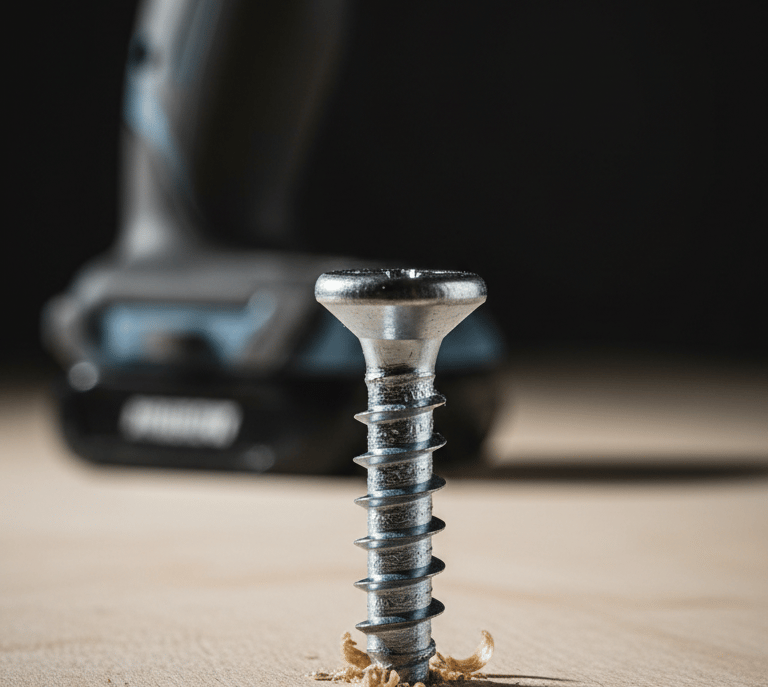
When upgrading your home's layout, the highest failure point isn't the new luxury vinyl plank or hardwood—it’s the subfloor beneath it. Standard construction often relied heavily on smooth-shank nails to secure plywood to the floor joists, but under the daily kinetic load of a high-capacity household, the wood shrinks and those original nails inevitably back out. This creates "deflection"—the physical movement of the plywood rubbing against the nail shaft, resulting in structural squeaks that will eventually snap the locking mechanisms of your new floor. To achieve a showroom-quality, silent finish, you must execute the Deflection Protocol: a systematic mapping and fastening workflow that permanently secures the subfloor into a solid, monolithic base.
Phase 1: Diagnostic Mapping
You cannot fire fasteners blindly. You must locate the exact center of the structural floor joists beneath the plywood to guarantee maximum holding power.
The Scan: Sweep a deep-scan magnetic stud finder across the floor to locate the heads of the original, failing nails. These hidden metal fasteners dictate the exact structural path of your joists.
The Grid: Snap a high-visibility chalk line across the length of the room, connecting the nail heads. Systematically gridding out your entire footprint takes time, but it is the only way to guarantee your new fasteners hit dead-center on the timber beneath.
Phase 2: The Fastener Upgrade
Nails rely on friction; screws rely on mechanical threading. You must replace friction with immense clamping force.
The Hardware: Standard drywall screws are brittle and will shear off under the weight of foot traffic. You must use heavy-duty, construction-grade structural screws featuring a specialized thread that pulls the plywood aggressively down into the joist.
The Placement: Do not remove the old nails; it wastes time and damages the wood. Instead, drive a new structural screw exactly two inches away from every existing nail along your chalk grid.
Phase 3: The Monolithic Lockdown
This is the execution phase where the floor is fused into a single, unyielding unit.
The Torque: Using a high-voltage impact driver, sink the screws until the head is perfectly flush or slightly countersunk into the plywood.
The Audit: Walk heavily across the newly secured grid. Listen for any remaining micro-squeaks. If deflection is detected, drop an additional screw directly into the friction point. The subfloor is now a solid, silent base ready to accept premium flooring.
The Expert Gear List
To execute this structural lockdown efficiently across a large footprint, our team utilizes the following professional-grade hardware on Amazon.
Disclosure: The Retrofit is a participant in the Amazon Services LLC Associates Program. As an Amazon Associate, we earn from qualifying purchases at no additional cost to you.
Diagnostics & Mapping
CH Hanson Magnetic Stud Finder: Electronic stud finders struggle through thick plywood. This rare-earth magnetic tool snaps aggressively to the hidden metal nail heads, giving you a flawless map of the joist layout.
Tajima Chalk-Rite Jam Free Chalk Line: A standard string line will fray and leave messy marks. This premium contractor-grade reel deploys ultra-fine chalk for razor-sharp, exact grid lines, ensuring you never miss a joist
Fastening Hardware & Execution
GRK Fasteners Subfloor Screws (8x2"): The absolute industry standard for eliminating deflection. These self-tapping screws feature a patented thread design that actively bites into the joist and pulls warped plywood down with immense clamping force.
DEWALT 20V MAX XR Impact Driver: Standard drills lack the rotational torque required to sink hundreds of structural screws into dried timber. This brushless impact driver delivers the rapid rotational strikes needed to drive hardware effortlessly without stripping the heads.
NoCry Professional Knee Pads: Securing an entire subfloor requires hours of close-quarters deck work. These heavy-duty, hard-cap knee pads are a mandatory ergonomic upgrade to protect your joints while torquing down the grid.
Contact
Questions? Reach out anytime, we’re here.
© 2026. All rights reserved.
Disclosure
The Retrofit Routine is a participant in the Amazon Services LLC Associates Program. As an Amazon Associate, we earn from qualifying purchases at no additional cost to you.
The Retrofit Routine is a digital property owned and operated by Atlantic Delivery Drivers Corp.