
The Hot Tub Deep Clean Protocol: The Pre-Drain Interior Purge That Resets Your Spa From the Inside Out
Draining your hot tub without purging it first doesn't reset the system — it just moves the problem. Get the exact jet line flush, surface decontamination, and enzyme treatment sequence that strips the hidden contamination layer before every water change.
THE ROUTINE
7 min read
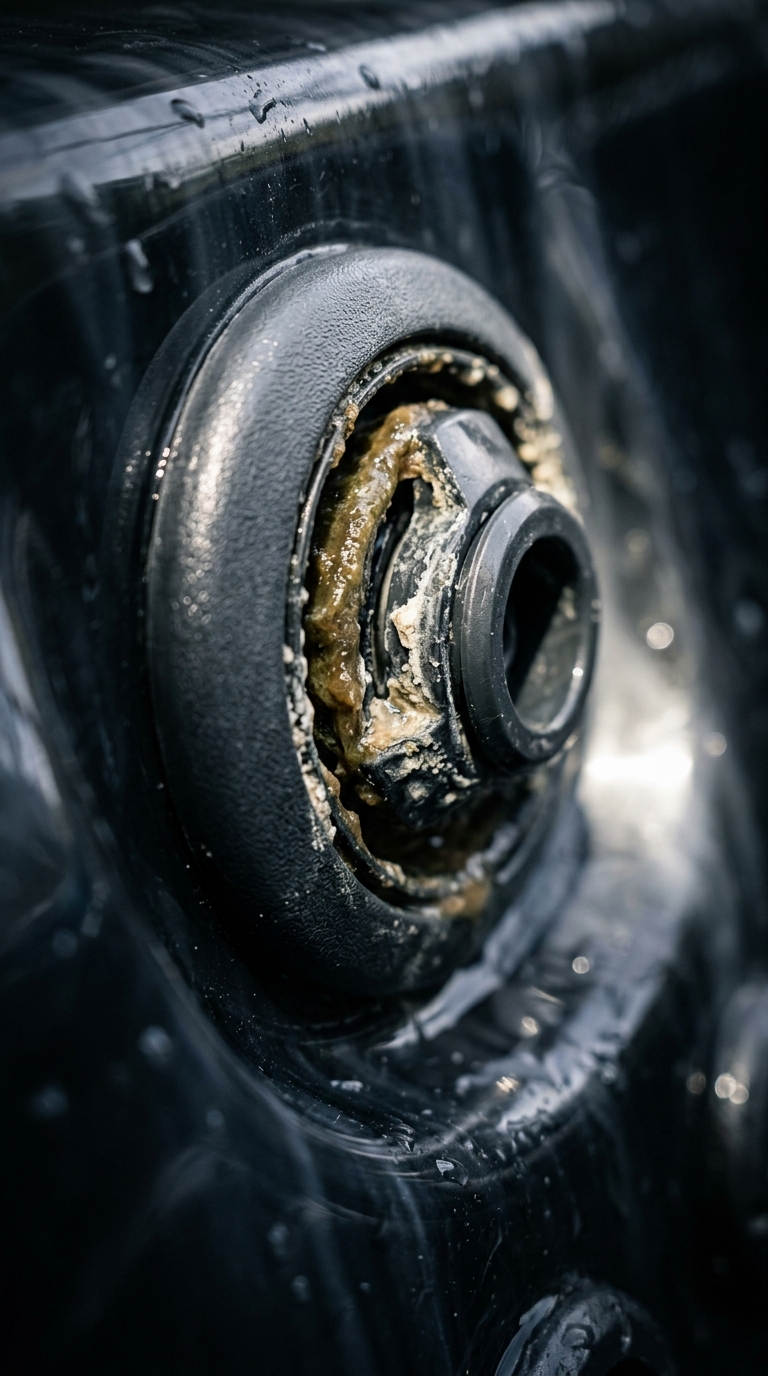
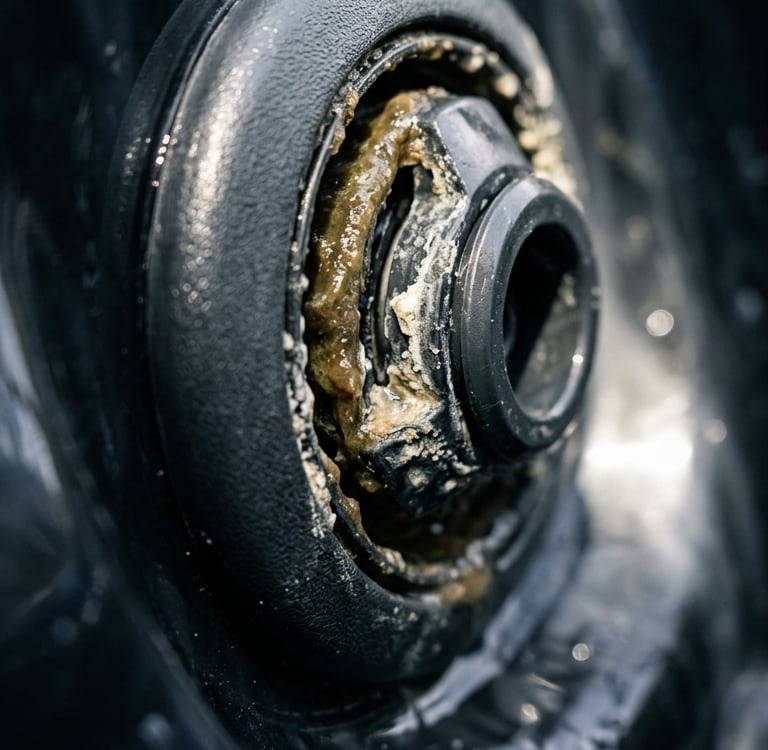
Every 90 days you drain your hot tub, refill it with fresh water, and execute a clean first-fill chemistry sequence. This is the correct maintenance discipline. What most spa owners do not account for is the contamination that the drain does not remove.
When you open the drain valve on a hot tub, the water leaves. The biofilm does not. The calcium scale deposited on the shell surface does not. The compacted organic debris lodged inside the jet lines — the network of pipes, valves, and fittings that sit between the pump and the jet faces — does not. This hidden infrastructure has been accumulating body oils, dead skin cells, dissolved organics, and microbial growth inside the plumbing since the last time it was chemically purged. Every time the jets run, this material is dislodged from the pipe walls and reintroduced directly into the water you have just balanced and sanitized.
The result is a recurring pattern that confounds most hot tub owners: fresh water that clouds up within days of a refill, a chemical smell that returns within a week despite correct sanitizer levels, and foam that appears after every use session regardless of defoamer. These are not chemistry problems. They are contamination problems — and the source is the internal infrastructure that a drain and refill never touches.
This guide is the complete pre-drain deep clean protocol: the jet line purge, the waterline and shell decontamination, the enzyme treatment that breaks down dissolved organic loading in the water column, and the metal and scale control that protects the internal surfaces from mineral damage between water changes.
Phase 1: The Jet Line Flush — Purging the Hidden Plumbing
The jet lines in a hot tub form a closed-loop plumbing network that never gets emptied during normal operation. Between sessions, water sits static inside this network at an elevated temperature — the ideal environment for biofilm formation on the pipe walls. Every time the jets are activated, water turbulence dislodges fragments of this biofilm and carries them into the tub. This is the primary hidden contamination source in any spa that has been in regular use for more than 30 days without a plumbing purge.
The Purge Timing: The jet line flush must be executed while the tub is still full — in the 24 hours before the scheduled drain. Never execute it in fresh water. The purge chemistry is designed to work with the contamination load already present in the aged water, breaking the biofilm off the pipe walls so it can be flushed out with the drain. Adding a jet line cleaner to fresh water wastes the product on clean plumbing and introduces foam-generating chemistry into water you are trying to maintain.
The Purge Execution: With the tub at operating temperature and the air blowers turned off — air injection dilutes the purge chemistry and reduces its contact time with the pipe walls — add the jet line cleaner directly to the water near the main intake. Turn all jets to their maximum flow setting. The purge chemistry will circulate through the complete plumbing network, breaking the biofilm and organic deposits from the pipe walls. Run the jets continuously for the dwell time specified on the product — typically 15 to 30 minutes. You will observe foam, discolouration, and suspended debris appearing in the water. This is the contamination that has been living inside your jet lines releasing into the water column. It is visible confirmation that the purge is working.
The Drain Sequence: Once the purge cycle is complete, drain the tub immediately. Do not allow the tub to sit with the purge water for an extended period after the cycle ends — the released contamination will begin redepositing on surfaces if given time to settle. Open the drain valve, remove the filter cartridge for its pre-refill soak, and allow the tub to fully empty before moving to the surface decontamination phase.
Phase 2: The Surface Decontamination — Shell, Waterline, and Jets
With the tub drained, every interior surface is now accessible for direct decontamination. This is the window that appears only at each drain cycle — use it completely.
The Waterline Scum Band: The waterline is the highest-contamination zone on any hot tub shell. Body oils, sunscreen residue, and foam-generating organics accumulate at the water surface over the life of a fill, depositing a visible grey or brown scum band on the acrylic shell at the exact waterline level. Standard spa surface cleaner applied directly to a microfiber applicator and worked into this band with firm circular pressure dissolves the oil bond and lifts the deposit cleanly from the acrylic surface without scratching. Work in sections around the full perimeter before rinsing.
The Full Shell Wipe-Down: Below the waterline, a finer film of body oils and dissolved organics deposits on the entire interior shell surface. Spray the spa surface cleaner across all interior surfaces — floor, walls, and the area around the jet faces — and wipe systematically with a clean microfiber cloth. Pay particular attention to the seating areas and the floor of the footwell, which accumulate the highest organic load from direct contact.
The Jet Face Decontamination: Jet faces and the surround trim are high-contact surfaces that accumulate scale, oil, and biofilm in the gaps between the rotating jet body and the housing. Apply spa surface cleaner to a small detailing brush and work it into the jet face assembly, agitating the gap between the jet body and the housing where buildup concentrates. Rinse with clean water before refilling.
The Shell Rinse: After completing the full surface wipe-down, rinse all interior surfaces with clean water from a garden hose, ensuring all surface cleaner residue is completely flushed from the shell before refilling. Any residual surface cleaner in the tub at refill will introduce surfactants into the fresh water that immediately generate foam when the jets are activated.
Phase 3: The Enzyme Treatment — Ongoing Organic Load Management
The jet line purge eliminates the accumulated historical contamination in the plumbing. The enzyme treatment is the ongoing chemistry that prevents that contamination from rebuilding between purge cycles.
What Enzymes Actually Do: A spa enzyme treatment introduces natural biological enzymes into the water column that actively break down the dissolved organic compounds — body oils, cosmetic residue, and organic bather waste — before they accumulate to the concentration that causes foaming, cloudiness, and elevated sanitizer consumption. Enzymes do not sanitize and are not a replacement for any chemistry in your standard maintenance protocol. They are a contamination prevention system that reduces the rate at which your filter loads up, reduces the foam-generating organic load in the water, and keeps the water visually cleaner between chemistry corrections.
The Deployment Protocol: Add the enzyme treatment to fresh water within the first 24 hours of a refill, after the foundation chemistry — alkalinity, pH, calcium hardness — has been established but before the sanitizer dose. The enzymes work continuously in the background from day one of the fill, degrading the organic load before it accumulates. Add a maintenance dose weekly at the same time as your shock cycle. The enzyme and shock combination works in a complementary cycle — the shock oxidizes accumulated organic byproducts and the enzymes break down the dissolved organic load that feeds foaming and cloudiness.
The High-Capacity Household Advantage: In a spa used by six or more people multiple times per week, the organic load introduced per session is significantly higher than the standard two-person usage profile most maintenance schedules are designed around. A weekly enzyme dose in a high-capacity household reduces the foam and clarity degradation that heavy bather load drives, extending the interval before water requires a full drain even under sustained high use.
Phase 4: Metal and Scale Control — Protecting the Internal Infrastructure
Tap water carries dissolved metals and minerals that enter the spa at every fill and accumulate in the water column over the life of the fill. Iron, copper, calcium, and manganese deposit on the shell surface, the heater element, the jet faces, and the internal plumbing when water chemistry shifts or when the water is heated. A single proactive dose of metal and scale control at refill prevents the entire category of staining, scaling, and equipment damage that reactive treatment cannot fully reverse.
The Metal Control Protocol: Add the metal control product to the fresh water in the first hour of a new fill, before any other chemistry is added. The chelating agents in the product bind dissolved metal ions in the water column, preventing them from oxidising and depositing on surfaces when sanitizer is added or when water temperature rises. This is the step that prevents the rust-coloured iron staining on white acrylic shells and the blue-green copper staining around jet faces that appears within days of a fill in households with metal-bearing tap water.
The Stain and Scale Prevention: In addition to metal control, a stain and scale inhibitor added at refill and dosed monthly provides a continuous protective barrier on shell and equipment surfaces that prevents calcium and mineral scale from bonding and hardening. Prevention is the correct approach — once calcium scale has hardened on the heater element or the jet housings, removal requires abrasive or acidic treatment that is damaging to the spa surfaces and hardware. A monthly maintenance dose of stain and scale inhibitor costs a fraction of the labour and product required to remove established scale deposits.
The Expert Gear List
To execute this complete hot tub deep clean and interior reset protocol, our team deploys the following products. All items are available on Amazon.
Disclosure: The Retrofit Routine is a participant in the Amazon Services LLC Associates Program. As an Amazon Associate, we earn from qualifying purchases at no additional cost to you.
Jet Line Purge
AquaDoc Spa Jet Line Cleaner — 1 Pint: A dedicated jet line purge formula engineered to circulate through the full plumbing network and break biofilm, body oil deposits, and organic buildup from the pipe walls before the drain. The mandatory pre-drain step that prevents the contamination cycle of fresh water that clouds within days of a refill. Add to aged water before the scheduled drain, run jets for the full purge cycle, then drain immediately.
Surface Decontamination
AquaDoc Hot Tub Cleaner Spray — 16oz: A dedicated spa surface cleaner formulated to dissolve the waterline scum band, body oil film, and organic deposits from acrylic and vinyl hot tub shells without scratching or damaging the surface finish. Safe on all hot tub shell materials. The correct product for the full interior shell wipe-down at every drain cycle and for targeted waterline maintenance between full drains.
Also available in 32oz for households executing more frequent surface maintenance between drain cycles:
Organic Load Management
AquaDoc Spa Enzyme Water Treatment: A natural enzyme formula that continuously breaks down dissolved body oils, cosmetic residue, and organic bather waste in the water column before they accumulate to the concentration that causes foaming, cloudiness, and elevated sanitizer consumption. Added at refill and dosed weekly alongside the shock cycle. Compatible with all sanitizer systems and all hot tub types.
Metal and Scale Protection
AquaDoc Spa Metal Control: A chelating metal control formula that binds dissolved iron, copper, and manganese in the water column at refill, preventing oxidation and surface staining when sanitizer is introduced or water temperature rises. The proactive dose that prevents the rust and copper staining that reactive treatment cannot fully reverse.
AquaDoc Pool & Spa Stain and Scale Remover — 64oz: A stain and scale inhibitor that deposits a continuous protective barrier on shell and equipment surfaces, preventing calcium and mineral scale from bonding and hardening on the heater element, jet faces, and plumbing. Dosed monthly as a preventive maintenance step. Also effective as a treatment for established light scale deposits on shell surfaces. Compatible with all pool and hot tub types.
Also available in 1 Gallon for households managing both pool and spa maintenance:
Contact
Questions? Reach out anytime, we’re here.
© 2026. All rights reserved.
Disclosure
The Retrofit Routine is a participant in the Amazon Services LLC Associates Program. As an Amazon Associate, we earn from qualifying purchases at no additional cost to you.
The Retrofit Routine is a digital property owned and operated by Atlantic Delivery Drivers Corp.