
The Hot Tub Filter Cleaning Protocol: The Deep Soak System That Restores Full Filtration Performance
A rinsed filter is not a clean filter. Get the exact chemical soak sequence to strip embedded body oils, mineral scale, and biofilm from your hot tub cartridge — and restore the flow rate your system needs to keep water clear, balanced, and safe.
THE ROUTINE
6 min read
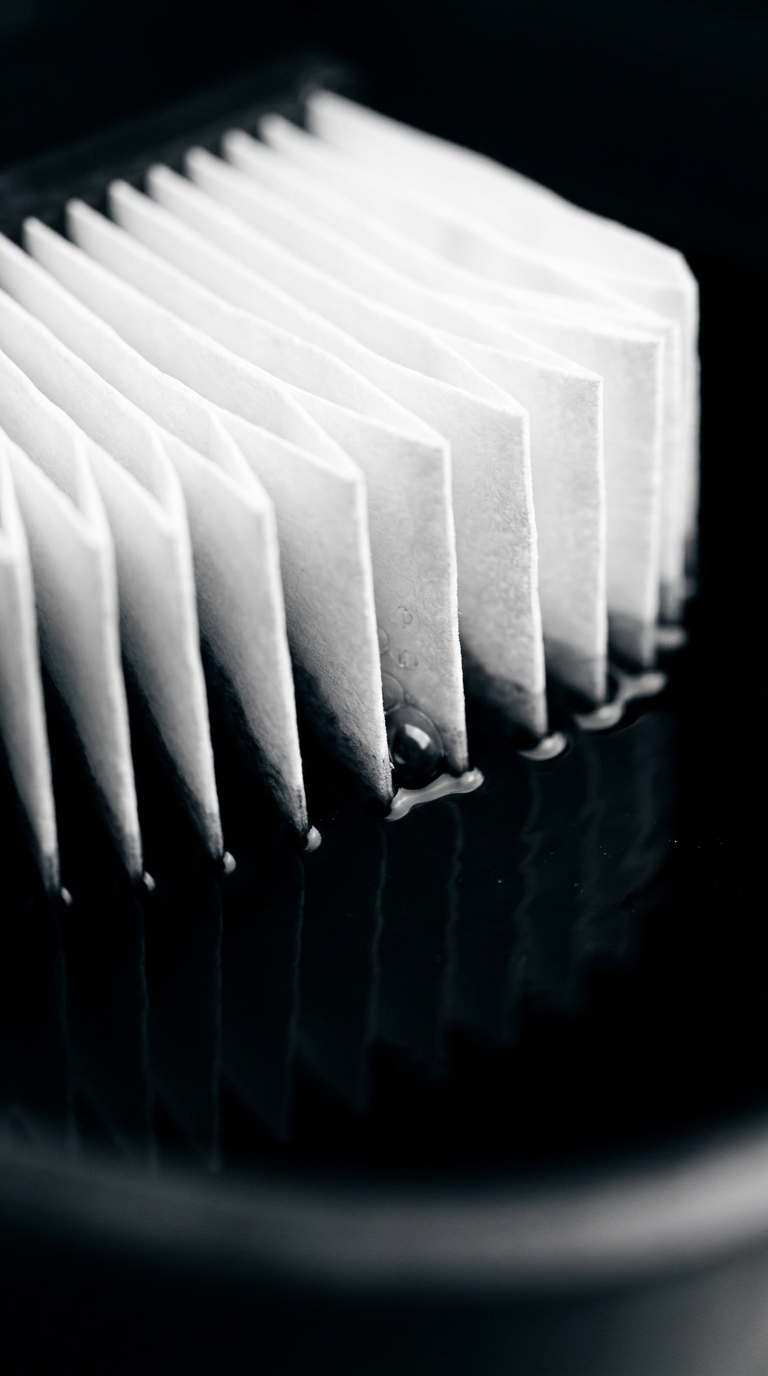
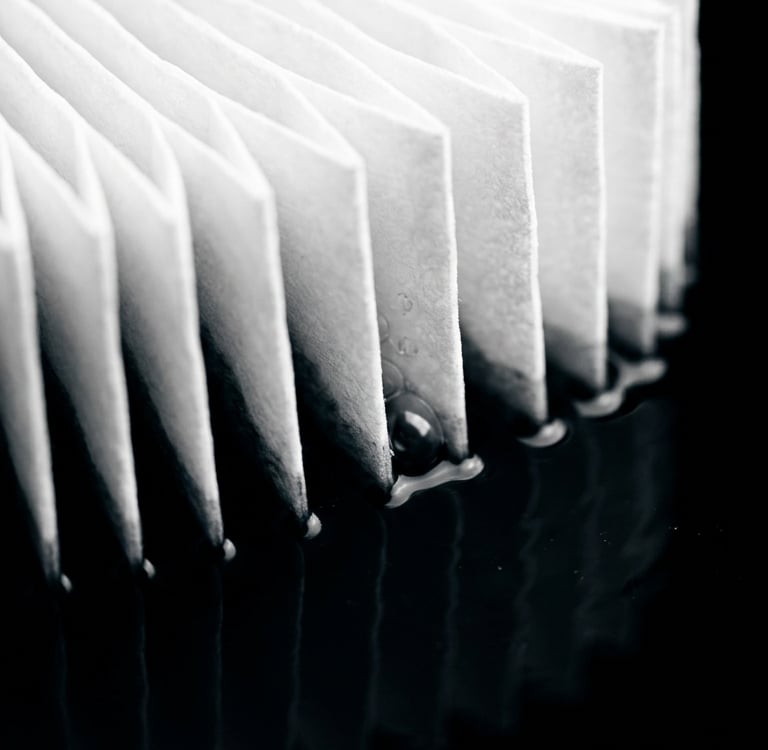
Your hot tub's filtration system is doing one of the hardest jobs in any household water system. Every day it is pulling body oils, sunscreen residue, cosmetic runoff, dissolved minerals, and microscopic biological material out of hot, recirculating water and trapping it inside a pleated polyester cartridge. The filter does not flush this contamination away. It accumulates it — layer by layer — in the fibres and between the pleats, building up a compacted matrix of organic and inorganic waste that a garden hose rinse will never fully remove.
Most hot tub owners rinse their filter under the tap every few weeks and assume the job is done. What they are actually doing is removing the surface layer of loose debris while leaving the embedded contamination — the oils, the scale, the biofilm — fully intact inside the cartridge. This residual buildup does three things. It progressively chokes the flow rate through the filter, forcing the pump to work harder and consume more energy to circulate the same volume of water. It reduces the filtration efficiency of the cartridge, allowing finer particulate to pass through and remain suspended in the water, causing persistent cloudiness that no amount of clarifier will permanently resolve. And it creates a warm, nutrient-rich environment for bacterial colonisation inside the filter housing itself — a contamination source that directly undermines every chemical you add to the water.
A properly executed filter soak protocol strips all three contamination types simultaneously, restoring the cartridge to near-factory flow rate and eliminating the hidden biological source that makes spa chemistry so difficult to hold stable between water changes.
This guide is the exact two-phase filter maintenance system our team deploys on a monthly basis to keep spa filtration performing at full capacity.
Phase 1: The Rinse & Assessment — Removing Surface Debris Before the Soak
The chemical soak is not a substitute for the initial rinse — it is what comes after. Submerging a filter loaded with loose debris directly into a cleaning solution wastes the cleaning chemistry on material that a garden hose would have removed in 60 seconds. Execute the rinse first to maximise the soak's effectiveness against the contamination that actually requires chemical treatment.
The Filter Extraction: Turn the hot tub off completely and allow the circulation system to stop before opening the filter housing. Remove the cartridge from the housing and take it to an outdoor hose area. Note the condition of the cartridge on removal — the colour, the rigidity of the pleats, and whether the housing itself has visible biofilm or scale buildup on the interior walls.
The High-Pressure Rinse: Using a garden hose with a jet nozzle attachment, rinse the filter cartridge from the top down with the stream directed between the pleats rather than across them. Running water perpendicular across the pleats flattens them together and drives surface debris deeper into the cartridge fabric rather than flushing it out. Direct the stream at a 45-degree angle into each pleat channel, working in sections around the full circumference of the cartridge. Rotate through two complete passes until the rinse water running off the cartridge runs clear.
The Contamination Assessment: After rinsing, inspect the cartridge under natural light. A filter that is still noticeably discoloured — grey, brown, or yellow-tinted — after a full rinse contains embedded contamination that water alone cannot remove. Any filter that has been in service for more than four weeks without a chemical soak is in this category regardless of how clean it looks after rinsing. That residual colour is the compacted oil, scale, and organic matrix that the soak phase is designed to dissolve.
The Housing Wipe-Down: Before reinstalling the rinsed cartridge or starting the soak, wipe the interior of the filter housing with a clean microfiber towel. Biofilm and scale deposit on the housing walls and re-contaminate a clean filter on reinstallation. A 30-second wipe prevents a contamination cycle that undermines the soak's results within days.
Phase 2: The Chemical Soak — Deep Extraction Protocol
The soak phase is where the actual restoration happens. A dedicated filter cleaner soak uses a combination of surfactants and degreasing agents to chemically break the bond between embedded contaminants and the polyester filter fabric — releasing material that water pressure cannot dislodge regardless of how long or how hard you spray.
The Soaking Vessel: Use a clean 5-gallon bucket or a large plastic storage bin large enough to fully submerge the filter cartridge. The cartridge must be completely covered by the solution throughout the soak — any section of the filter above the waterline receives no chemical treatment and will remain contaminated. If your cartridge is too tall for a single bucket, use a tall kitchen bin or a dedicated filter cleaning bucket.
The Solution Preparation: Fill the vessel with enough cool or lukewarm water to fully submerge the cartridge. Do not use hot water — elevated temperatures can distort the cartridge's end caps and degrade the pleat bond adhesive over time. Add the filter cleaner soak concentrate at the dilution ratio specified on your product for the volume of water in your vessel. The AquaDoc Filter Cleaner Soak is a concentrated formula — do not exceed the recommended dilution ratio, as oversaturation does not improve cleaning performance and wastes product.
The Immersion Soak: Submerge the cartridge fully in the solution and allow it to soak for a minimum of 8 hours. Overnight soaking — 12 to 24 hours — is the preferred protocol for filters that have accumulated heavy oil and scale buildup over multiple weeks of service. The chemistry requires contact time to penetrate the pleat fabric and dissolve the embedded matrix. Pulling the cartridge early, even if the solution looks discoloured, leaves residual contamination in the deeper pleat layers.
The Post-Soak Rinse: After completing the soak, remove the cartridge and execute a second thorough rinse using the same 45-degree pleat-directed technique from Phase 1. The rinse water will initially run heavily discoloured — this is the dissolved contamination being flushed from the cartridge. Continue rinsing until the runoff water is completely clear. Any remaining discolouration in the rinse water indicates residual cleaning solution or dissolved organic material that must be fully flushed before reinstallation.
The Dry and Reinstall: If you maintain a second spare cartridge, reinstall the clean spare while the freshly soaked cartridge air-dries completely before storage. Reinstalling a wet cartridge into the housing is acceptable for immediate return to service, but allowing the cartridge to dry fully between soaks extends its service life significantly by preventing mould growth inside the pleat matrix during storage.
The Soak Cadence — Matching Frequency to Household Load
Filter soak frequency is not a fixed schedule — it is a function of how much biological and chemical load your spa sees each week.
Monthly Soak (Standard Household): For spas used two to three times per week by one to three bathers, a monthly chemical soak maintains filtration performance at an adequate level between quarterly drain cycles.
Bi-Weekly Soak (High-Capacity Household): For spas accessed four or more times per week by four or more bathers — the operational profile of a six or seven person household — a bi-weekly soak is the correct maintenance interval. High bather load introduces significantly more oil, organic material, and cosmetic residue per week than the monthly soak schedule is designed to handle. A filter that is only soaked monthly in a high-use spa is operating in a partially clogged state for the second half of every month, visibly affecting water clarity and forcing the pump to work harder than its design specification.
The Pre-Drain Soak: Always execute a full chemical soak within the 48 hours before a scheduled water drain and refill. A clean, fully restored filter installed into fresh water maximises the water quality and chemistry stability of the new fill from day one, rather than immediately re-contaminating fresh water with the residual load from a dirty cartridge.
The Replacement Threshold: A filter cartridge is not infinitely restorable. Even with regular chemical soaking, the polyester pleat fabric gradually degrades under the combined effects of chemical exposure, heat cycling, and mechanical stress from the pump's flow rate. A cartridge that no longer holds its shape, shows frayed or collapsed pleats, or fails to improve in flow performance after a full chemical soak has reached the end of its service life and requires replacement rather than additional soaking.
The Expert Gear List
To execute a complete hot tub filter deep soak protocol, our team deploys the following product. All items are available on Amazon.
Disclosure: The Retrofit Routine is a participant in the Amazon Services LLC Associates Program. As an Amazon Associate, we earn from qualifying purchases at no additional cost to you.
Filter Cleaning
AquaDoc Hot Tub Filter Cleaner Soak — Pint: Professional-grade filter cleaning soak specifically formulated to break oil bonds, dissolve calcium scale, and strip accumulated chemical residue from hot tub and pool filter cartridge media in a single overnight treatment. Compatible with all filter types including cartridge, pleated, and spa filter elements. The correct soak chemistry for restoring filter performance between fortnightly rinses and extending cartridge service life beyond what rinse-only maintenance achieves.
Also available in larger formats depending on your maintenance frequency and household use level:
AquaDoc Spa & Hot Tub Filter Cleaner Soak — 64oz — The mid-volume format for households on a bi-weekly soak schedule or rotating two cartridges.
AquaDoc Hot Tub Filter Cleaner Soak — Gallon — The full-season format for high-use spas and year-round maintenance households.
Contact
Questions? Reach out anytime, we’re here.
© 2026. All rights reserved.
Disclosure
The Retrofit Routine is a participant in the Amazon Services LLC Associates Program. As an Amazon Associate, we earn from qualifying purchases at no additional cost to you.
The Retrofit Routine is a digital property owned and operated by Atlantic Delivery Drivers Corp.